
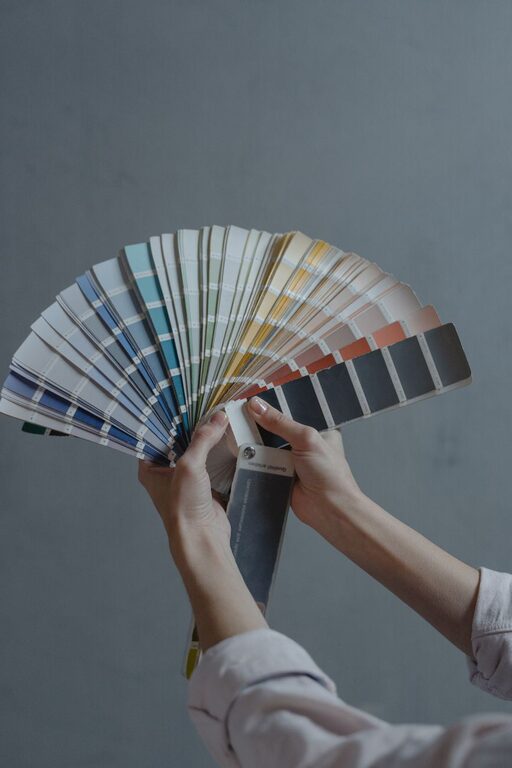
Creating a calm and relaxing atmosphere in your home often begins with the colors you choose for your walls and décor. Colors have a profound impact on our mood and energy levels, making them a powerful tool when designing a soothing environment. If you want your home to feel like a peaceful retreat, selecting the right calm colors is essential. Below are practical tips to help you choose colors that promote tranquility and comfort.
Understanding the Psychology of Calm Colors
Before diving into specific colors, it’s helpful to understand why some hues are calming. Generally, colors that are muted, soft, or close to nature tend to soothe the mind and reduce stress. Cool tones like blues and greens are often associated with relaxation, while warm neutrals can create a cozy, grounded feeling.
1. Consider the Purpose of Each Room
Different rooms have different functions, so the calm colors you choose should support the activities you do there.
– Bedroom: Soft blues, lavender, or gentle greens encourage restful sleep.
– Living Room: Warm neutrals and earthy tones create a welcoming space for relaxation and conversation.
– Bathroom: Light blues and pale greens evoke cleanliness and calmness.
– Home Office: Neutral colors with subtle undertones can improve focus without causing tension.
2. Choose Soft, Muted Shades
Bright or highly saturated colors can be energizing, which isn’t what you want in a calming space. Instead, focus on:
– Pastels: Light pinks, blues, and greens can be soothing without feeling dull.
– Muted Tones: Colors with gray or brown undertones soften the vibrancy.
– Earthy Colors: Warm beiges, taupes, and soft browns bring a natural calm.
3. Use a Color Palette for Balance
Combining colors thoughtfully ensures your space feels harmonious rather than overwhelming.
– Monochromatic Palette: Using various shades of the same color keeps the look cohesive and soothing.
– Analogous Palette: Choosing colors next to each other on the color wheel (like blue and green) creates a calm gradient effect.
– Neutral Base with Accents: Start with calming neutrals on walls and larger pieces, then add subtle accents in soft blues or greens for visual interest.
4. Test Colors in Different Lighting
Colors can look very different depending on natural light or artificial lighting.
– Natural Light: Rooms with ample sunlight may handle cooler tones better, while darker rooms benefit from warmer shades.
– Artificial Light: Warm light bulbs enhance warm colors, while cool bulbs complement cool tones.
– Test Samples: Paint swatches on the wall and observe them at different times of the day to see their true effect.
5. Incorporate Nature-Inspired Hues
Bringing colors from nature indoors can foster a sense of calm and connection with the outdoors.
– Soft Greens: Inspire feelings of growth, renewal, and tranquility.
– Sky Blues: Encourage a peaceful, airy vibe.
– Sandy Beiges: Remind us of earth and grounding.
– Soft Gray: Reflects stone or clouds, providing a neutral calm.
6. Don’t Forget the Ceilings and Trim
Calm colors don’t have to be limited to walls. Subdued shades on ceilings and trim can add sophistication and softness.
– A slightly lighter or darker shade than the walls can create depth without distraction.
– Crisp white or off-white trims paired with calm wall colors enhance cleanliness and calmness.
7. Use Texture and Finish to Complement Color
The finish of your paint affects how the color feels in a space.
– Matte or eggshell finishes work well for calm colors because they don’t reflect too much light.
– Soft textures in fabrics, rugs, and furniture can complement your color choices, deepening the sense of relaxation.
8. Blend Calm Colors With Personal Style
Ultimately, your home should feel like your sanctuary. Pair calm colors with décor, furniture, and artwork that make you feel comfortable and happy.
– Incorporate natural materials like wood or linen.
– Add soft lighting with lamps or candles.
– Use minimal patterns or gentle geometric shapes to avoid visual clutter.
Final Thoughts
Choosing calm colors for your home is about creating a harmonious space that supports relaxation and comfort. By understanding color psychology, selecting muted and nature-inspired shades, and considering lighting and texture, you can design rooms that feel peaceful and inviting. Remember to feel free to experiment and trust your instincts—your perfect calm color palette is waiting to make your home a true retreat.